Selecting the right food for your cat is crucial to ensuring their long-term health, hydration, and overall well-being. As more people in India and around the world become devoted pet parents, many are faced with the question of whether to feed their cats wet food, dry food, or a combination of both. Each type of food comes with unique benefits and considerations, and the ideal choice often depends on your cat’s age, health status, lifestyle, and your personal convenience.
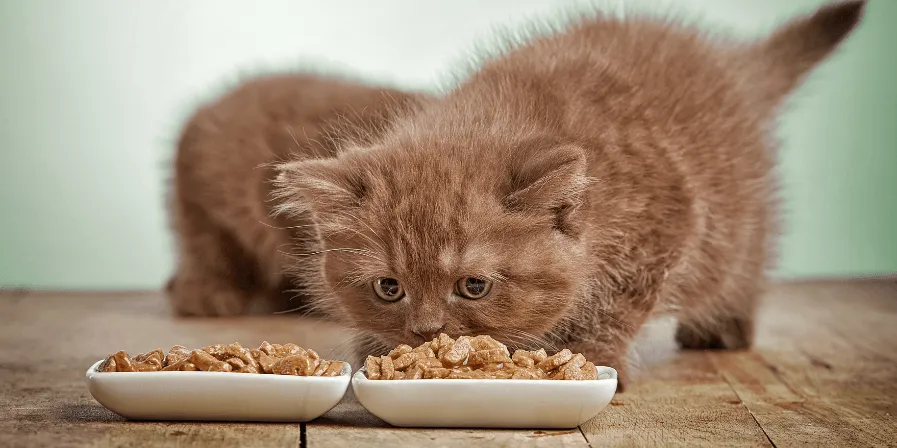
While most commercially available cat foods are designed to meet complete nutritional requirements, wet and dry foods differ significantly in moisture content, manufacturing processes, nutrient composition, and how they affect your cat’s health. Understanding these differences can help you make informed decisions for your cat’s diet.
Key Differences Between Wet and Dry Cat Food
Moisture Content
One of the most noticeable distinctions between wet and dry cat food is their water content. Wet food contains approximately 70–80% moisture, making it particularly beneficial for cats that do not drink sufficient water on their own. This added hydration supports urinary tract and kidney health, reducing the risk of infections and kidney disease. Dry cat food, in contrast, contains only about 10% moisture, requiring cats to compensate by drinking water. Since cats naturally have a low thirst drive, feeding wet food is especially valuable in warmer climates like India to prevent dehydration.
Manufacturing Process
Wet and dry cat foods undergo different production methods. Wet food is typically prepared by blending fresh or frozen meats with essential nutrients, vitamins, and fats before sealing the mixture in cans or pouches and cooking at high temperatures to ensure safety. This process results in a soft, meat-rich texture that closely resembles a natural feline diet. Dry food is made by mixing proteins, grains, and other nutrients into a dough, which is then baked or extruded and coated with fats or flavorings to enhance palatability. Its compact, crunchy form makes it convenient for storage and long-term feeding.
Nutritional Composition
Both wet and dry foods can deliver complete nutrition, yet their macronutrient profiles differ. Wet foods are generally higher in protein and lower in carbohydrates, aligning more closely with a cat’s obligate carnivore biology. Dry foods often contain more carbohydrates and fiber, which can benefit digestion but may contribute to weight gain if portions are not controlled. Cats with specific conditions such as obesity, diabetes, or urinary concerns may benefit more from wet food due to its higher protein content and lower carbohydrate load. Dry food, however, is calorie-dense and can be useful for active cats or those needing to gain weight.
Advantages and Drawbacks of Wet Cat Food
Benefits
Wet cat food is particularly advantageous for hydration, making it ideal for cats prone to urinary issues or kidney disease. Its soft texture is easier to chew, making it suitable for kittens, senior cats, or those with dental problems. The aroma and taste are highly palatable, often encouraging even picky eaters or cats recovering from illness to consume enough food. Additionally, the high water content allows for larger portions without excessive calorie intake, aiding in weight management.
Drawbacks
The primary downsides of wet food include cost and storage challenges. Wet food tends to be more expensive, especially for multi-cat households, and has a shorter shelf life once opened. It requires refrigeration and careful handling to prevent spoilage, particularly in warm climates. Serving wet food may also involve more preparation and cleanup, which can be inconvenient for busy pet owners.
Advantages and Drawbacks of Dry Cat Food
Benefits
Dry cat food is convenient, affordable, and easy to store. It can be purchased in bulk without concern for spoilage and left out for cats to eat at their leisure, making it ideal for working pet parents. Its crunchy texture can help reduce plaque accumulation, contributing to better dental health, though it should not replace regular dental care. Dry food is also compatible with automatic feeders or puzzle toys, providing mental stimulation for indoor cats.
Drawbacks
The main limitation of dry food is its low moisture content, which can increase the risk of dehydration and urinary issues. Many dry foods also contain higher carbohydrate levels and plant-based fillers, which are less biologically suitable for obligate carnivores. Some cats may find dry kibble less appealing, particularly if they are accustomed to wet food or have dental problems that make chewing difficult.
Combining Wet and Dry Food
Many cat owners choose a mixed feeding approach to capitalize on the advantages of both wet and dry food. Combining the two allows cats to benefit from the hydration and high protein of wet food while enjoying the convenience, cost-effectiveness, and texture of dry food.
Effective mixed feeding strategies include:
- Offering wet food in the morning and dry food in the evening.
- Mixing small amounts of dry food into wet meals for variety and crunch.
- Using dry food as treats or rewards while primarily feeding wet food.
It is essential to measure portions carefully to prevent overfeeding and maintain a balanced diet. Consulting with a veterinarian ensures that nutrient intake remains appropriate for your cat’s specific needs.
Making the Right Choice
Choosing between wet and dry cat food is not a one-size-fits-all decision. Wet food provides excellent hydration, higher protein, and easier digestibility, while dry food offers convenience, cost savings, and longer shelf life. A combination of both is often the optimal solution, providing hydration, variety, and balanced nutrition.
Pay attention to your cat’s health, preferences, and lifestyle when selecting a diet. For cats with kidney or urinary concerns, wet food is typically preferable. For active or free-feeding cats, dry food can offer practicality and enrichment. Ultimately, the best approach is individualized and may involve professional guidance to ensure your cat receives a nutritious, balanced diet throughout their life.
FAQs
1. Can cats eat wet food every day?
Yes, daily feeding of wet food is safe and beneficial. It provides hydration, high-quality protein, and easy digestibility. Proper portioning is key to prevent overfeeding.
2. Can I feed both wet and dry food together?
Absolutely. Combining wet and dry food provides the hydration and protein of wet meals with the convenience and dental benefits of dry food. Proper portioning ensures a balanced diet.