Feeding your dog is more than a routine; it’s an act of care and love. Choosing the right diet can significantly impact your dog’s overall health, energy, and longevity. While there is no universal diet that suits every dog, raw food diets have increasingly gained popularity among dog owners and veterinarians due to their potential to transform a dog’s health in profound ways. Over years of observation and practice, I’ve seen dogs thrive on raw food diets, showing improvements in digestion, coat quality, behavior, and overall vitality.
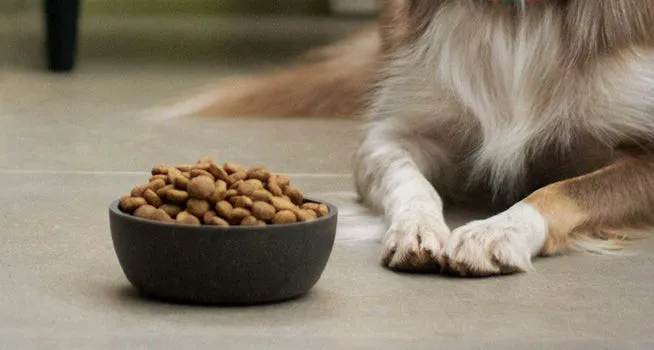
Transitioning to a raw diet can be a rewarding step for any dog owner who wishes to provide a more natural, biologically appropriate diet. Below, we explore five key benefits of feeding dogs raw food, along with practical insights on making the switch safely and effectively.
1. Promotes Healthier Gut Bacteria
The balance of bacteria in a dog’s digestive system is fundamental to overall health. A healthy gut microbiome aids digestion, supports immune function, and helps prevent inflammation and chronic diseases. Dogs with imbalanced gut bacteria are more prone to digestive issues, allergies, and even behavioral problems.
Research and clinical experience show that dogs fed a raw food diet often develop a more robust and balanced gut microbiome. For instance, in one observation with a group of Boxers, switching to a raw diet led to noticeable improvements in gut bacterial diversity within just two weeks. A balanced gut contributes to better nutrient absorption, improved immunity, and fewer gastrointestinal disturbances. This benefit alone can have a profound impact on your dog’s long-term well-being.
2. Improves Stool Quality and Reduces Odor
One of the most immediate and noticeable changes when switching to a raw food diet is the improvement in stool quality. Dogs often produce smaller, firmer, and less odorous stools, which is a direct reflection of improved digestion and nutrient absorption.
The reduction in stool volume and odor is largely due to the higher digestibility of raw ingredients compared to processed kibble. Raw diets are typically lower in fillers and artificial additives, which means your dog’s body can utilize more of the nutrients in their food efficiently. Many pet owners report that after a few weeks on a raw diet, their dog’s waste becomes significantly easier to manage — an often overlooked but highly appreciated benefit of a biologically appropriate diet.
3. Reduces Inflammation
Inflammation is at the root of many common canine health issues, from arthritis and pancreatitis to gastroenteritis and gingivitis. Raw food diets tend to be lower in inflammatory ingredients like processed grains and high-temperature cooked fats, which can exacerbate chronic inflammation.
By feeding a raw diet rich in whole proteins, vegetables, and essential fatty acids, you can help your dog maintain lower systemic inflammation. Reduced inflammation translates into healthier joints, better oral health, improved digestion, and even increased energy levels. Over time, dogs on raw diets often exhibit less stiffness, fewer digestive upsets, and improved comfort as they age.
4. Aligns with Ancestral Nutrition
While domestic dogs today are far removed from their wild ancestors, their digestive systems are still optimized for a diet similar to what their ancestors consumed. A raw diet mirrors the natural eating patterns of wolves, foxes, and coyotes, emphasizing fresh meat, organs, and natural bones.
Providing a biologically appropriate diet helps satisfy natural instincts and supports overall metabolic health. Think of it as a “Paleo diet” for dogs — a way to honor their evolutionary design while promoting health. Dogs fed a diet closer to their ancestral roots often display better coat condition, healthier teeth, increased alertness, and even more stable moods.
5. Convenience and Accessibility
Contrary to common misconceptions, feeding a raw diet does not have to be complicated or time-consuming. Many brands now offer pre-prepared raw meals, making it easier than ever to provide a balanced, nutritious diet. Products like “Stir & Boom” or other ready-to-serve raw meals allow dog owners to simply add water and let the food hydrate, taking only a few minutes to prepare.
This convenience removes much of the perceived barrier to adopting raw feeding. With modern distribution channels, these meals are widely available at grocery stores, specialty pet markets, and online retailers. Gradually introducing raw food over 3–5 days ensures that your dog’s digestive system adapts smoothly, minimizing the risk of gastrointestinal upset.
Making the Switch Safely
Transitioning your dog to a raw food diet should be done gradually. Start by mixing small amounts of raw food with your dog’s current diet, gradually increasing the proportion of raw food over several days. This helps prevent digestive upset and allows your dog to adjust to the new nutrients and textures.
It’s also important to ensure that the diet is balanced and complete, including muscle meat, organ meat, and appropriate supplements when necessary. Consulting with a holistic veterinarian can provide additional guidance tailored to your dog’s age, size, breed, and health status.
Final Thoughts
Feeding your dog a raw food diet can offer a multitude of health benefits, from supporting gut health and reducing inflammation to improving stool quality and aligning with ancestral nutrition. With modern convenience options, raw feeding is accessible for many dog owners who want to provide their pets with the most natural, nutrient-dense diet possible.
A raw food diet is more than just a feeding choice; it is an investment in your dog’s long-term health, vitality, and happiness. Dogs thrive on diets that respect their biology, and with careful planning, raw feeding can transform their overall well-being, helping them live longer, healthier, and more energetic lives.